Featured Article

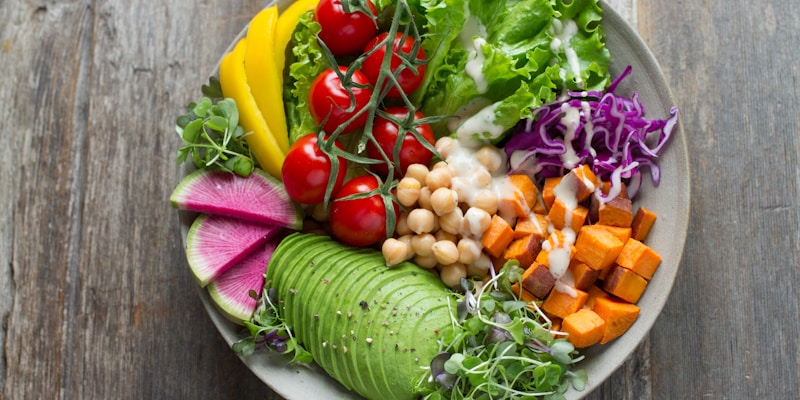
Fresh vegetables for healthy sandwiches
📖 Nutrition 5 min read January 15, 2024

Top Ingredients for Healthy Sandwiches

Creating a nutritious sandwich starts with choosing the right ingredients. This comprehensive guide explores the best options for proteins, vegetables, spreads, and breads that will help you build delicious, healthy meals that support your wellness goals.

Read Full Article →

All Articles

Fresh vegetables for healthy sandwiches
📖 Nutrition 5 min read

Top Ingredients for Healthy Sandwiches

Discover the best ingredients to create nutritious, delicious sandwiches that support your health goals. From lean proteins to fresh vegetables, learn what makes a sandwich truly healthy.

Read Article →
Variety of bread options
🍞 Bread Guide 4 min read

Whole Grain vs White Bread

Understanding the nutritional differences between bread types helps you make better dietary choices. Learn about fiber content, glycemic index, and which breads support your health goals.

Read Article →
Quick healthy lunch ideas
🥙 Meal Prep 6 min read

Quick Lunch Ideas

Time-saving tips and healthy lunch combinations perfect for busy weekdays and meal prepping. Discover how to create satisfying meals in minutes without sacrificing nutrition.

Read Article →
Fresh vegetables for healthy sandwiches
Fresh, colorful vegetables are the foundation of a healthy sandwich

Top Ingredients for Healthy Sandwiches

Creating a nutritious sandwich starts with choosing the right ingredients. A well-balanced sandwich can provide essential nutrients while being convenient and satisfying. This comprehensive guide explores the best options for proteins, vegetables, spreads, and breads that will help you build delicious, healthy meals that support your wellness goals.

Protein Sources

Protein is essential for muscle repair, immune function, and satiety. When choosing proteins for your sandwich, focus on lean options that provide high-quality nutrition without excessive calories or unhealthy fats.

Lean Meats

Grilled chicken breast, turkey breast, and lean roast beef are excellent protein sources. These options provide approximately 25-30 grams of protein per 100 grams while keeping fat content low. Look for options that are minimally processed and free from added preservatives.

Plant-Based Proteins

For vegetarian or vegan options, consider hummus, which offers both protein and healthy fats. Tofu, tempeh, and legume-based spreads also provide substantial protein while adding variety to your sandwich. These options are typically lower in saturated fat and higher in fiber than many meat alternatives.

Fish Options

Canned tuna (in water) and smoked salmon provide omega-3 fatty acids along with high-quality protein. These options support heart health and provide essential nutrients that are harder to obtain from other protein sources.

Vegetable Additions

Vegetables add vitamins, minerals, fiber, and antioxidants to your sandwich while contributing minimal calories. They also add texture, flavor, and visual appeal that make your meal more satisfying.

Leafy Greens

Spinach, arugula, and romaine lettuce provide vitamins A, C, and K, along with iron and calcium. These greens add freshness and crunch without significantly increasing calorie content. Spinach is particularly nutrient-dense, offering over 20 different vitamins and minerals.

Crunchy Vegetables

Cucumber, bell peppers, and carrots add satisfying crunch and hydration. These vegetables are low in calories but high in water content and essential nutrients. Bell peppers, especially red and yellow varieties, are excellent sources of vitamin C.

Flavor Enhancers

Tomatoes, red onions, and sprouts add depth of flavor and additional nutrients. Tomatoes provide lycopene, a powerful antioxidant, while onions contain quercetin, which has anti-inflammatory properties. Sprouts offer concentrated nutrients in a small package.

Healthy Spreads

Traditional spreads like mayonnaise can add significant calories and unhealthy fats. Consider these healthier alternatives that provide flavor and nutrition without compromising your health goals.

Avocado

Mashed avocado provides creamy texture along with heart-healthy monounsaturated fats, fiber, and potassium. It's a nutrient-dense option that adds richness to your sandwich while supporting cardiovascular health.

Hummus

This chickpea-based spread offers protein, fiber, and healthy fats. It comes in various flavors, allowing you to add variety to your sandwiches while maintaining nutritional quality.

Mustard and Pesto

Mustard is virtually calorie-free and adds tangy flavor. Pesto, made from basil, pine nuts, and olive oil, provides healthy fats and antioxidants. Use these spreads in moderation to add flavor without excessive calories.

Building Your Perfect Sandwich

The key to a healthy sandwich is balance. Aim for a combination that includes lean protein, multiple vegetables, a healthy spread, and whole grain bread. This combination provides sustained energy, essential nutrients, and satisfaction that lasts throughout your day.

Remember that portion sizes matter. Even healthy ingredients can contribute to excess calories if consumed in large quantities. Focus on quality over quantity, and listen to your body's hunger and fullness cues.

Variety of bread options
Choosing the right bread is crucial for a healthy sandwich

Whole Grain vs White Bread

The bread you choose as the foundation of your sandwich significantly impacts its nutritional value. Understanding the differences between whole grain and white bread helps you make informed decisions that support your health goals and dietary preferences.

What Makes Whole Grain Different?

Whole grain bread contains all three parts of the grain kernel: the bran, germ, and endosperm. This complete package provides fiber, B vitamins, minerals, and antioxidants that are largely removed during the processing of white flour.

The Bran

The outer layer of the grain, rich in fiber, B vitamins, and minerals. It provides bulk and helps maintain digestive health. The fiber in whole grains also contributes to feelings of fullness and helps regulate blood sugar levels.

The Germ

The nutrient-packed core containing healthy fats, vitamin E, B vitamins, and antioxidants. This is where much of the grain's nutritional value is concentrated. Unfortunately, the germ is removed during white flour processing to extend shelf life.

The Endosperm

The largest part of the grain, providing carbohydrates and some protein. This is the only component remaining in white flour, which explains why white bread is less nutrient-dense than whole grain alternatives.

Nutritional Comparison

When comparing whole grain bread to white bread, several key nutritional differences emerge. Whole grain bread typically contains 3-4 times more fiber, significantly more B vitamins, and higher levels of minerals like magnesium and selenium.

Fiber Content

Whole grain bread provides 3-4 grams of fiber per slice, while white bread typically contains less than 1 gram. This fiber supports digestive health, helps maintain healthy cholesterol levels, and contributes to feelings of fullness that can help with weight management.

Glycemic Impact

Whole grain bread has a lower glycemic index (typically 51-55) compared to white bread (70-75). This means whole grain bread causes a slower, more gradual rise in blood sugar, providing sustained energy rather than quick spikes and crashes.

Protein and Micronutrients

Whole grain bread generally contains slightly more protein and significantly higher levels of essential micronutrients. These include B vitamins like thiamin, riboflavin, and niacin, as well as minerals like iron, magnesium, and zinc.

Reading Bread Labels

Not all breads labeled "wheat" or "multigrain" are actually whole grain. Understanding how to read labels helps you make truly healthy choices.

Look for "100% Whole Grain"

This term indicates that all grains used in the bread are whole grains. Terms like "wheat bread" or "multigrain" don't guarantee whole grain content. The first ingredient should be a whole grain such as "whole wheat" or "whole oats."

Check Fiber Content

Aim for breads with at least 3 grams of fiber per slice. This is a good indicator that the bread contains substantial whole grain content. Higher fiber content generally correlates with better nutritional quality.

Avoid Added Sugars

Many breads, even some whole grain varieties, contain added sugars. Check the ingredient list and avoid breads where sugar, honey, or other sweeteners appear among the first few ingredients.

Making the Switch

If you're accustomed to white bread, transitioning to whole grain bread may take some adjustment. Start by mixing whole grain and white bread, gradually increasing the proportion of whole grain over time. Your taste buds will adapt, and you'll likely come to prefer the richer, nuttier flavor of whole grain bread.

Remember that bread is just one component of a healthy sandwich. Even with whole grain bread, focus on overall balance by including lean proteins, plenty of vegetables, and healthy spreads to create a nutritious, satisfying meal.

Quick healthy lunch ideas
Healthy lunches can be quick, delicious, and nutritious

Quick Lunch Ideas

Busy schedules often lead to rushed lunch choices that compromise nutrition. However, with some planning and smart strategies, you can create healthy, satisfying lunches in minutes. This guide provides practical tips and ideas for nutritious meals that fit into even the busiest days.

Preparation Strategies

The key to quick healthy lunches is preparation. Investing a small amount of time in planning and prep can save you hours during the week and ensure you always have nutritious options available.

Batch Preparation

Dedicate time on weekends to prepare components for multiple lunches. Wash and chop vegetables, cook proteins in bulk, and prepare spreads or dressings. Store these components separately and assemble quickly when needed.

Smart Storage

Use clear, airtight containers to store prepared ingredients. Label containers with dates and keep frequently used items at eye level in your refrigerator. This organization makes assembly fast and reduces food waste.

Assembly Line Approach

Set up an assembly line with all your prepared ingredients. This method allows you to make multiple lunches in minutes, varying combinations to prevent boredom while maintaining efficiency.

Quick Sandwich Combinations

These sandwich ideas come together in under 5 minutes using pre-prepared ingredients. Each provides balanced nutrition and satisfying flavors.

Mediterranean Turkey

Whole grain bread, sliced turkey breast, hummus, cucumber, tomato, red onion, and a sprinkle of feta cheese. This combination provides protein, healthy fats, and vegetables with Mediterranean-inspired flavors.

California Veggie

Sourdough bread, mashed avocado, sprouts, cucumber, tomato, and a drizzle of balsamic glaze. This vegetarian option is rich in healthy fats and provides a satisfying crunch from fresh vegetables.

Protein Powerhouse

Whole grain bread, grilled chicken breast, spinach, bell peppers, and mustard. This high-protein option supports muscle recovery and provides sustained energy throughout the afternoon.

Beyond Sandwiches

While sandwiches are convenient, variety keeps meals interesting. These alternatives are equally quick and nutritious.

Wrap Options

Whole grain wraps offer the same convenience as sandwiches with different textures. Fill with your favorite proteins, vegetables, and spreads. Wraps are also easier to eat on the go and can be prepared in advance without becoming soggy.

Salad Jars

Layer ingredients in mason jars with dressing on the bottom and greens on top. When ready to eat, simply shake to distribute the dressing. This method keeps salads fresh for days and allows for endless variety.

Grain Bowls

Use pre-cooked grains like quinoa or brown rice as a base. Add proteins, vegetables, and healthy toppings. These bowls can be served warm or cold and are easily customized to your preferences.

Time-Saving Tips

These strategies help you maximize efficiency without sacrificing nutrition or taste.

Double Up

When cooking dinner, make extra portions for lunch the next day. This approach saves time and ensures you have a healthy meal ready without additional preparation.

Pre-Portion Snacks

Portion nuts, fruits, and vegetables into grab-and-go containers. Having healthy snacks readily available prevents impulsive choices when hunger strikes between meals.

Keep Essentials Stocked

Maintain a well-stocked pantry with whole grain bread, canned proteins, and shelf-stable vegetables. This ensures you can always assemble a healthy lunch even when fresh ingredients run low.

Conclusion

Healthy lunches don't require hours of preparation. With smart planning and these quick ideas, you can enjoy nutritious, satisfying meals that support your health goals even on your busiest days. The key is finding strategies that work for your lifestyle and making them part of your routine.

Want More Nutrition Tips?

Explore our comprehensive nutrition guide or learn about healthy food delivery options to support your wellness journey.

Nutrition Guide Delivery Insights